A 30-yard roll-off container addresses large-scale property renovations, whole-home interior demolitions, and structural framing projects where smaller units require multiple rounds of hauling. Positioning a 22-foot…
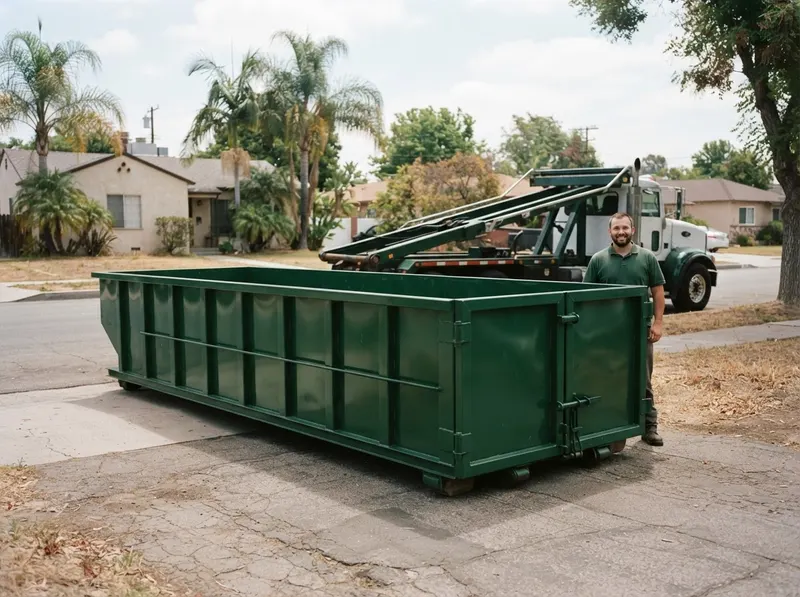
A 30-yard roll-off container addresses large-scale property renovations, whole-home interior demolitions, and structural framing projects where smaller units require multiple rounds of hauling. Positioning a 22-foot steel container on residential sites requires strict logistical management, particularly in hillside streets across Silver Lake, Echo Park, and Los Feliz, or dense alleys in Koreatown. EverClean Waste Solutions safeguards customer property by placing protective timber runners beneath every roller and rail, preventing asphalt gouging, concrete fractures, and decorative paver damage. Placing a container on an active jobsite eliminates unsightly piles that risk code enforcement scrutiny from the Los Angeles Department of Building and Safety or penalties from neighborhood associations.
Selecting container dimensions involves balancing site clearance against total waste density. While a 10-yard container costs $695 and handles heavy, low-volume masonry like concrete foundation cutouts under CalRecycle standards, loading heavy masonry into a 30-yard container quickly violates legal hauling weight thresholds enforced by the California Highway Patrol. A 30-yard bin matches high-volume, mid-density debris such as drywall, cabinetry, structural lumber, interior doors, and mixed carpet. If jobsite real estate is restricted, such as short driveways common in Venice bungalows or Boyle Heights properties, a 20-yard unit at $795 preserves spatial clearance, whereas large residential rebuilds in Brentwood and Woodland Hills easily accommodate the 30-yard footprint.
Placement protocols in the City of Los Angeles demand precise street and right-of-way planning. Staging containers on public roadways requires an official street-use authorization through Los Angeles Bureau of Engineering, whereas private driveway staging bypasses municipal street permitting entirely. Deliveries follow strict OSHA jobsite safety regulations and align with clean-air transport standards overseen by the South Coast Air Quality Management District. Non-hazardous materials are routed to certified materials recovery facilities according to guidelines established by the U.S. Environmental Protection Agency. When sorting fixtures and appliances, staging must comply with regional sorting protocols administered by the Los Angeles County Public Works and salvage mandates tracked by the U.S. Green Building Council. Hazardous items, including motor oil, liquid paint, and loose chemicals, must be diverted away from municipal roll-off bins directly to a local Earth911 collection site or city S.A.F.E. center.
Operational steps are sequential: 1. Confirm your site access, checking for 14 feet of vertical clearance clear of low power lines or overhanging street trees. 2. EverClean Waste Solutions installs wood ground-shields and sets the container level. 3. Crews load debris up to the maximum water-level rim without protruding edges. 4. Dispatch coordinates standard retrieval or extends scheduling upon customer request, avoiding premature bin pullouts that stall active trade contractors.
Every job gets a firm, written price after a free on-site visit.
For standards, safe disposal, and service guidance on DUMPSTER in Los Angeles, CA, useful references include U.S. EPA, EPA, EPA, OSHA, Earth911, and Google Maps. General consumer and small-business resources are available from USA.gov, Better Business Bureau, FTC Consumer Advice, U.S. Small Business Administration, and Ready.gov.
Tell us about your 30-yard dumpster rental job in Los Angeles and we'll send a clear, written quote, usually the same day.
 EverClean Waste Solutions